

BridgeERP

Developers on demand

Book the engineers who build BridgeERP

When standard software will not bend — a report that does not exist, a process that is yours alone, a legacy database that has to come across — you book time with the same team that writes the product. In blocks of days, priced before you commit.

Day rates, all in

USD85 per day

Engineer

USD150 per day

Project manager

Blocks start at five days. Your engineer starts within 48 hours of payment, and unused days roll over for 90 days.

Not sure what you need yet? Book a call and we will scope it with you.

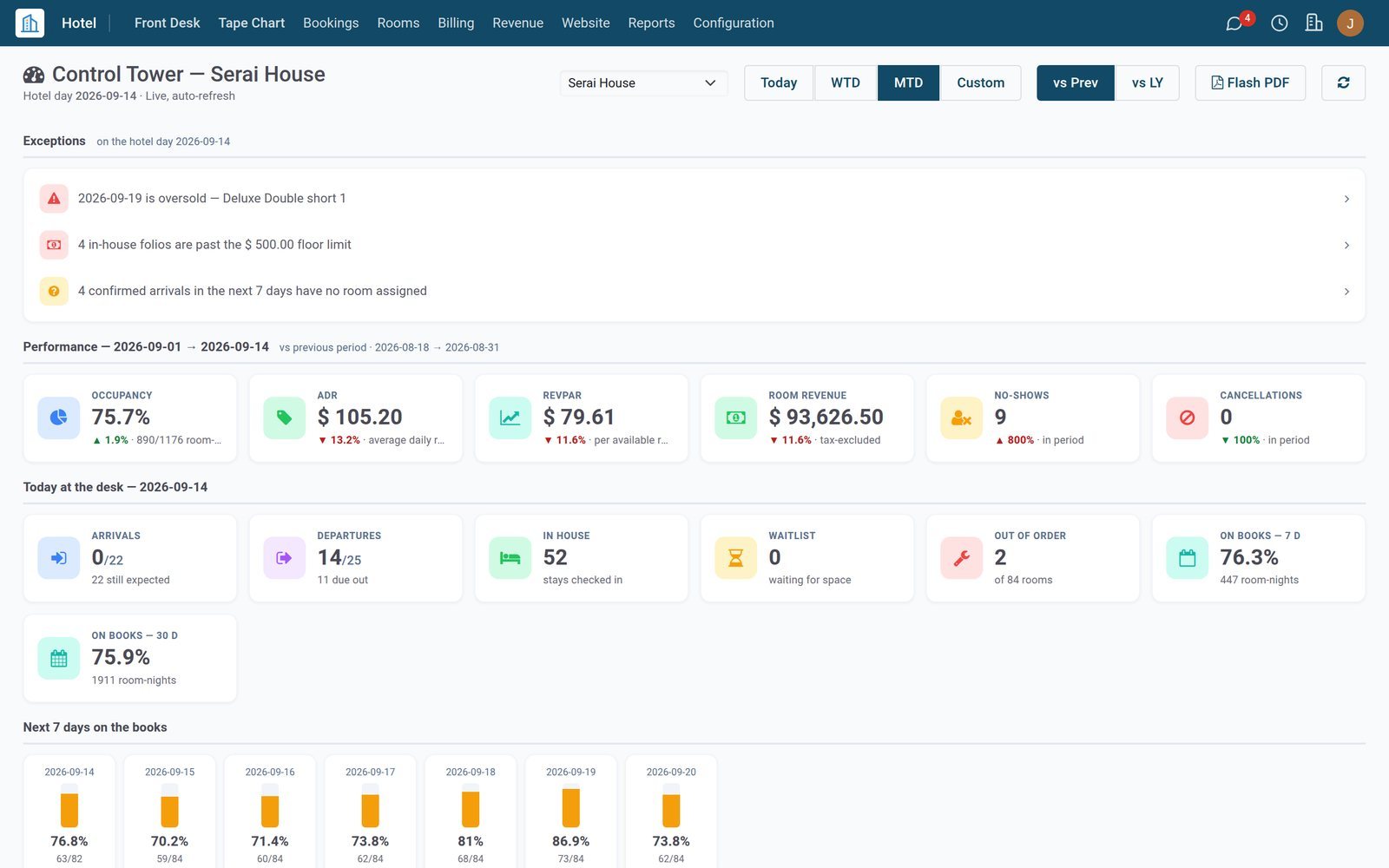
A custom control-tower dashboard in BridgeERP, built by this team.

Written by this team

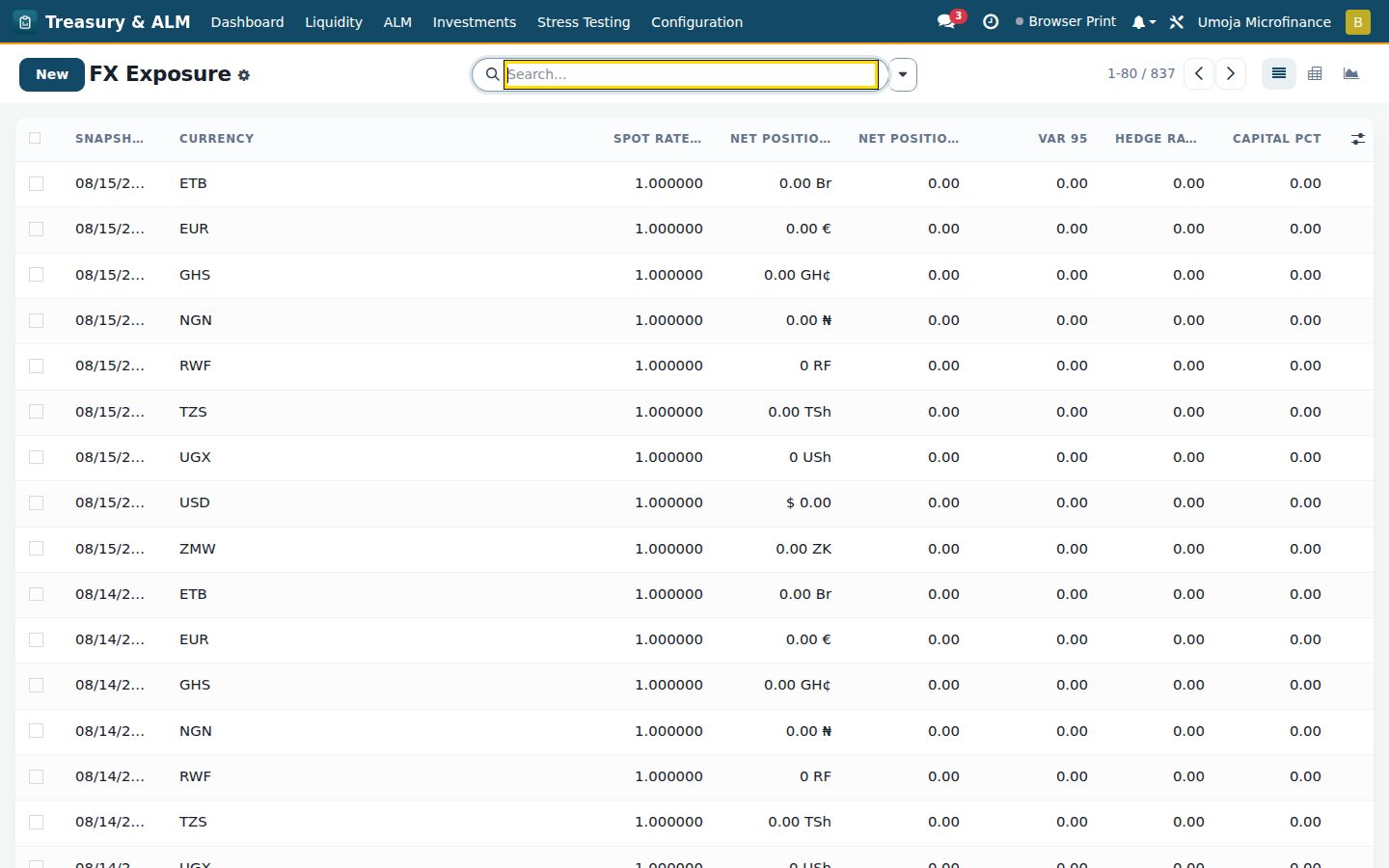
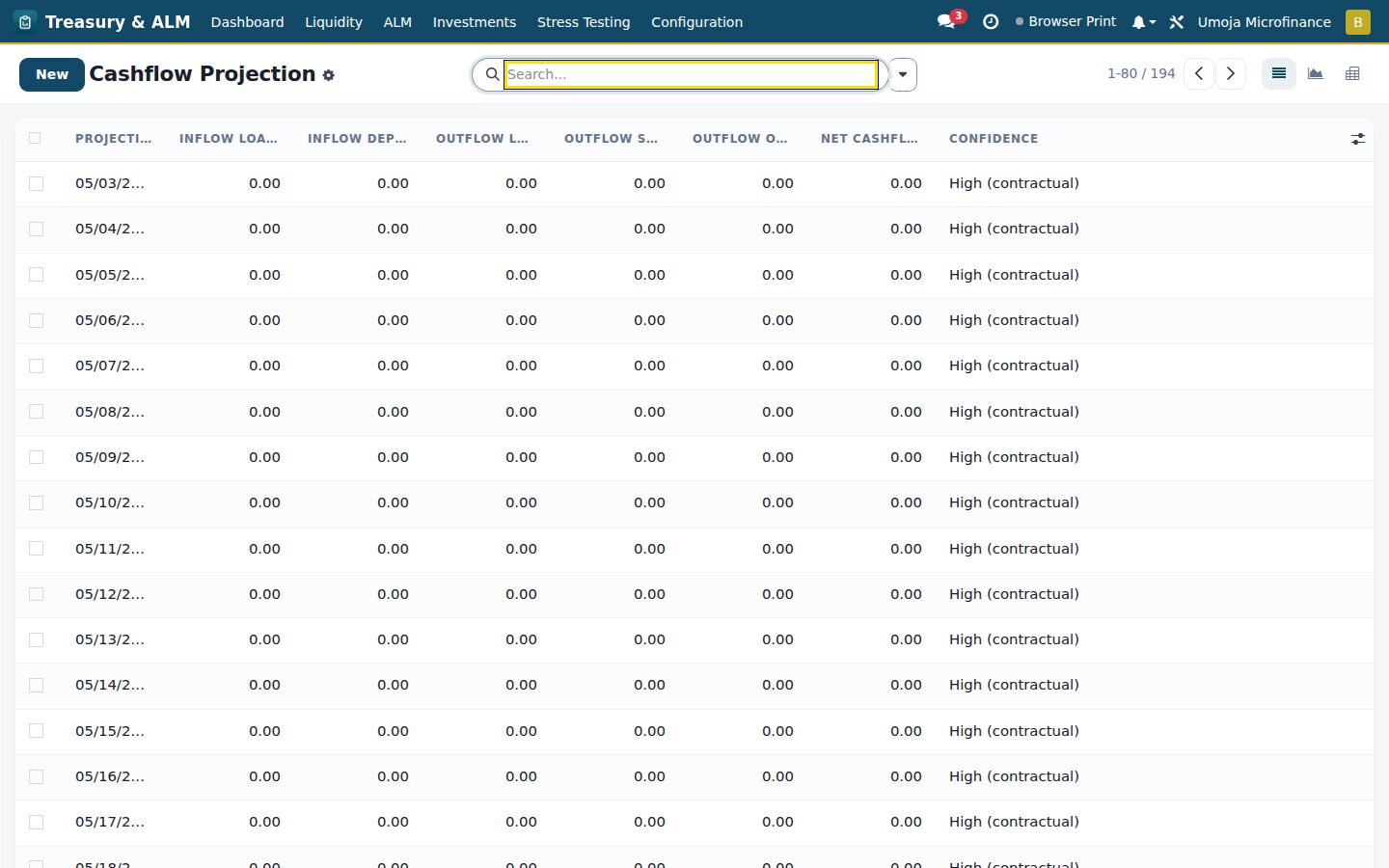
Treasury in BridgeERP MFI.
Treasury, BridgeERP MFI
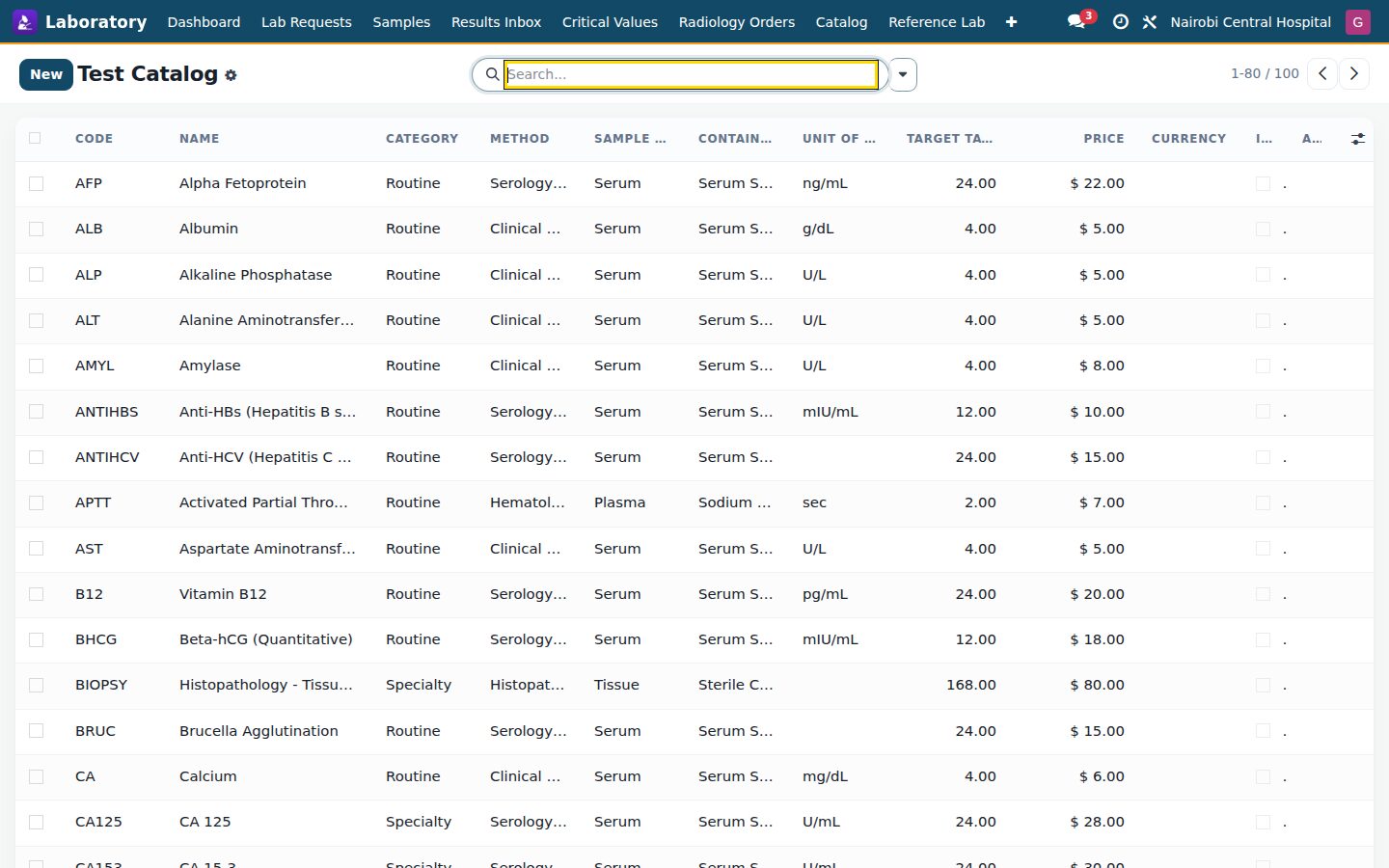
Laboratory in BridgeERP HMS.
Laboratory, BridgeERP HMS
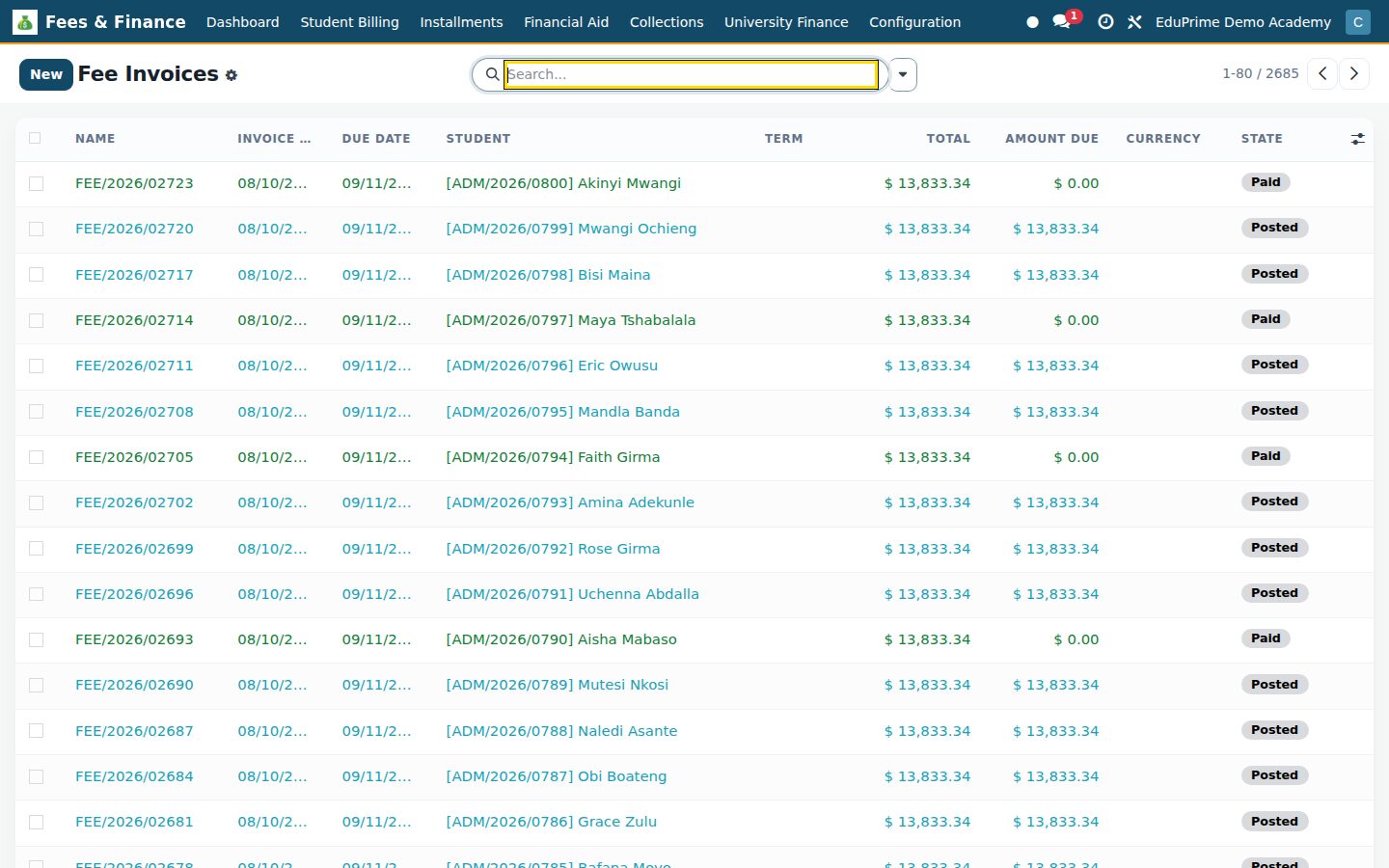
A fee statement in EduPrime.
Fees, EduPrime
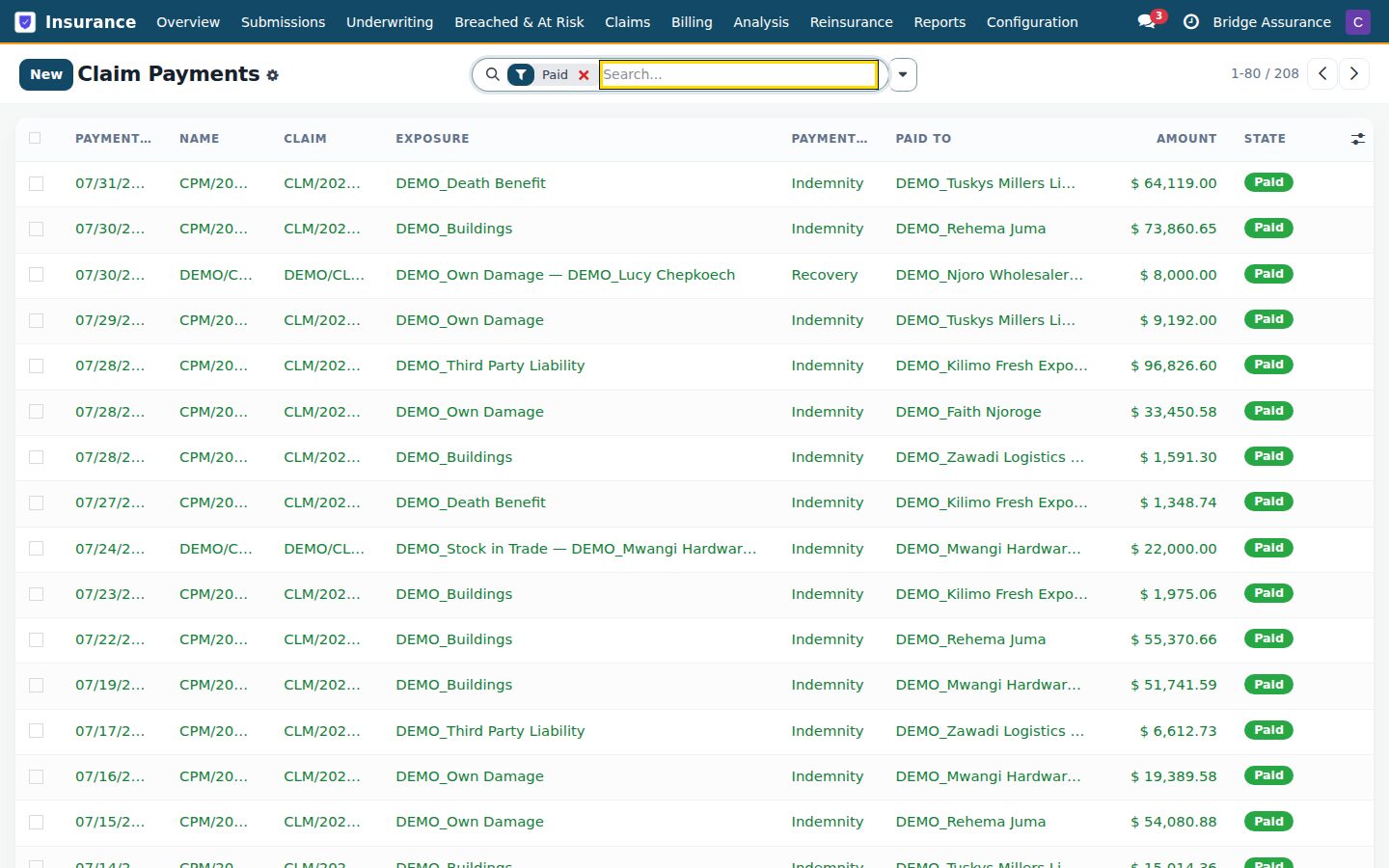
The carrier desk in BridgeERP Insurance.
Carrier desk, BridgeERP Insurance

What we build

These kinds of work make up almost everything we are asked for. If yours is not on this list, describe it anyway — the assessment is free either way.

A payment-rails module added to BridgeERP MFI.
Custom modulesA new part of the system that behaves the way your business already does, installed alongside the standard apps rather than bolted on top.Business logic · API integrations · Workflow automation
A customised control-tower screen in BridgeERP.
System customisationChanging what is already there: screens, fields, approval routes and the documents that come out at the end.Screen and field changes · Report layouts · Approval routes
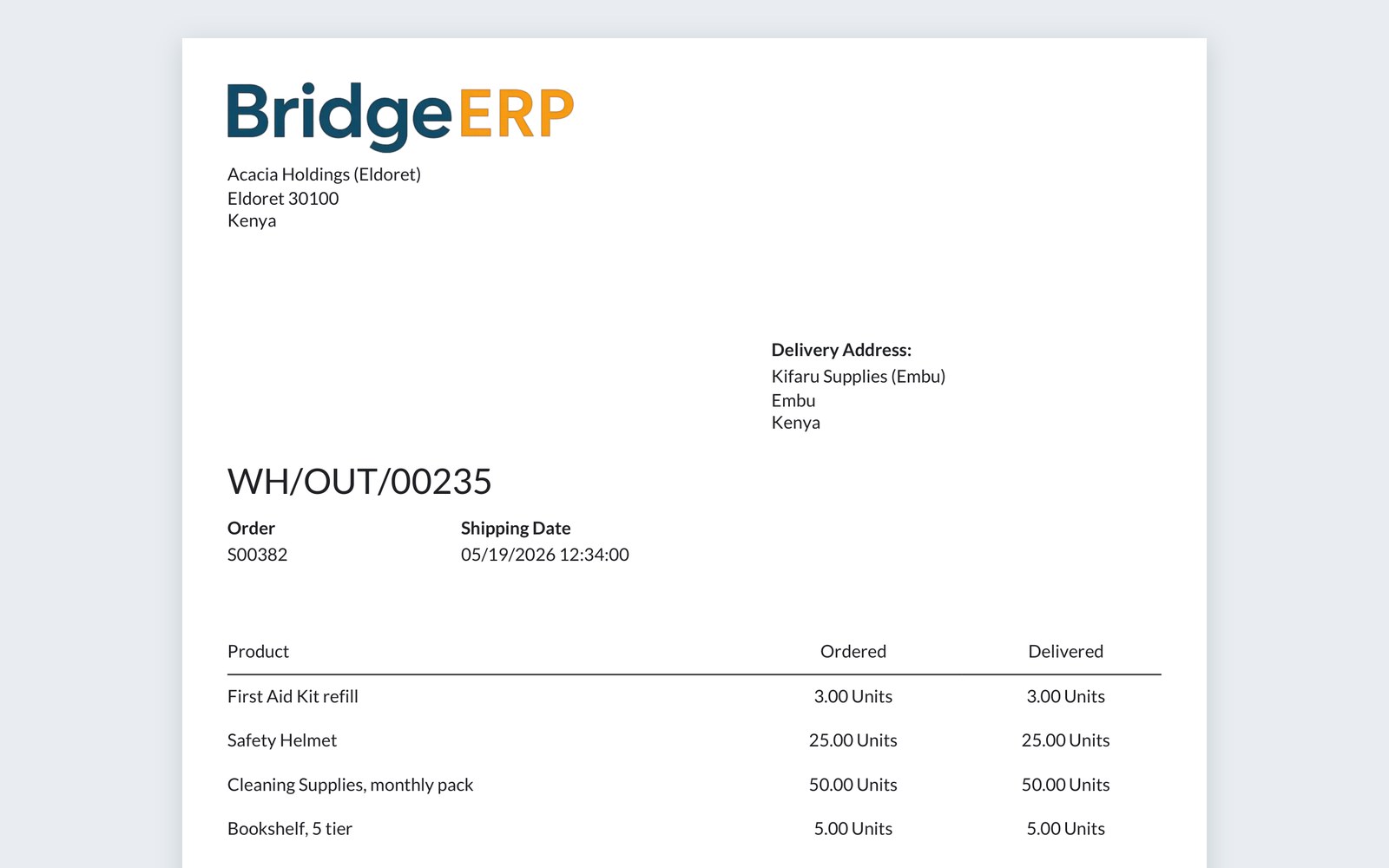
An invoice document produced by BridgeERP.
Reports and documentsThe report your accountant actually asks for, and the invoice, payslip or delivery note that carries your letterhead and your columns.PDF layouts · Spreadsheet exports · Board packs
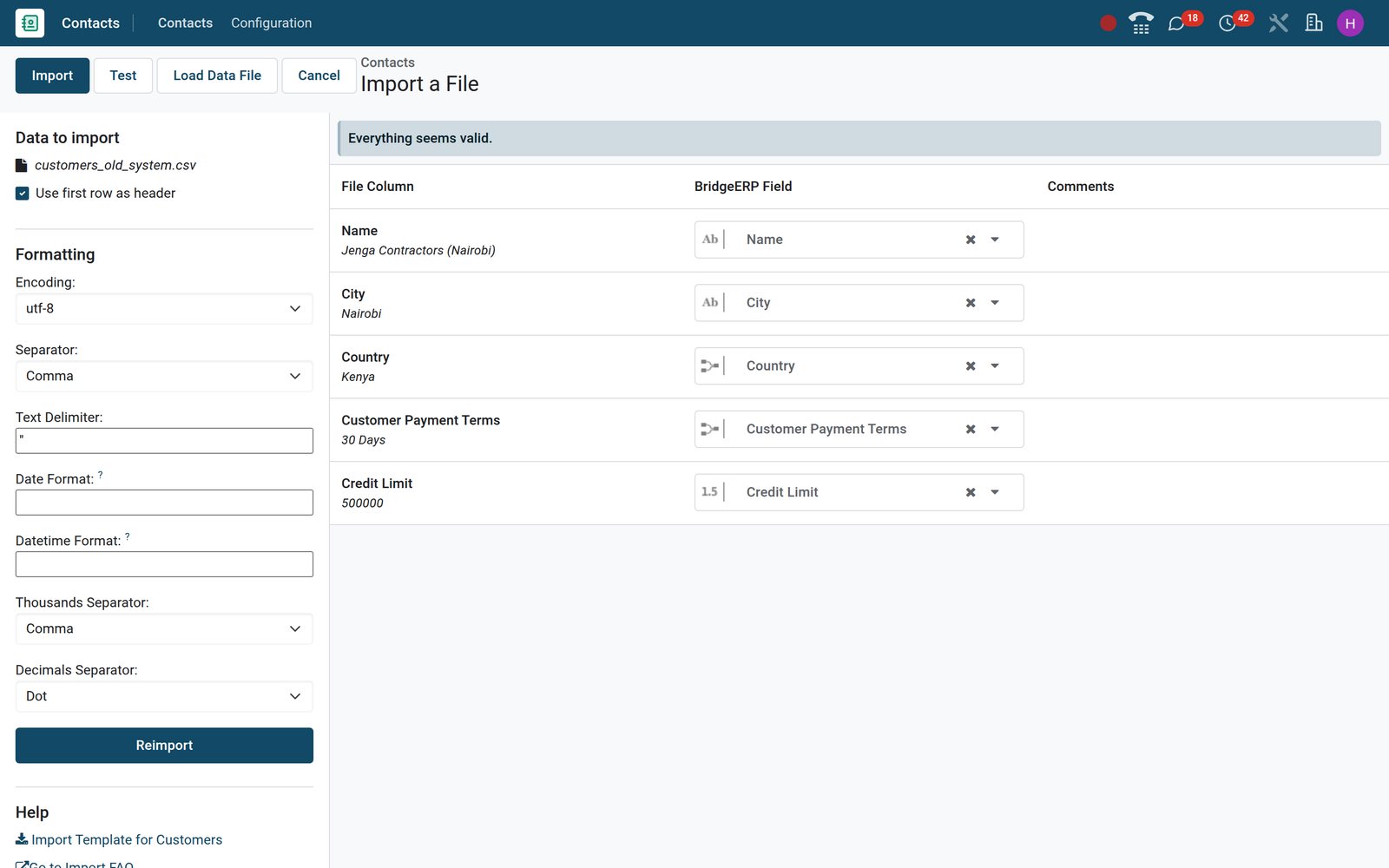
Data migrationGetting years of history out of the old system and into the new one, mapped, cleaned and reconciled before anyone signs off.Mapping · Cleaning · Reconciliation
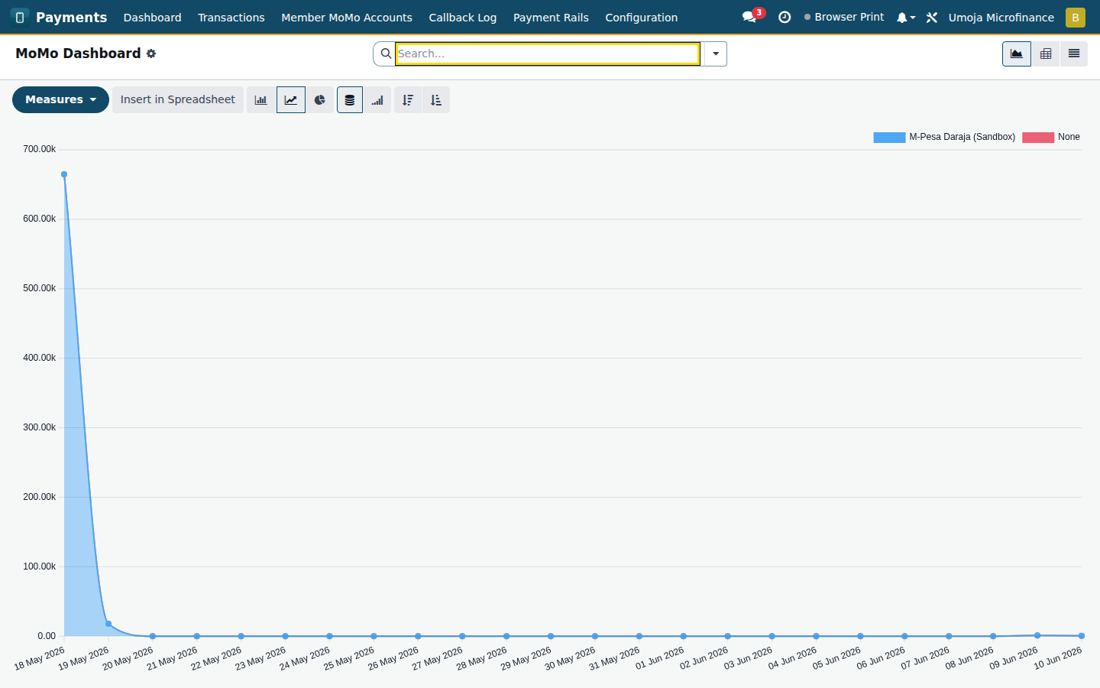
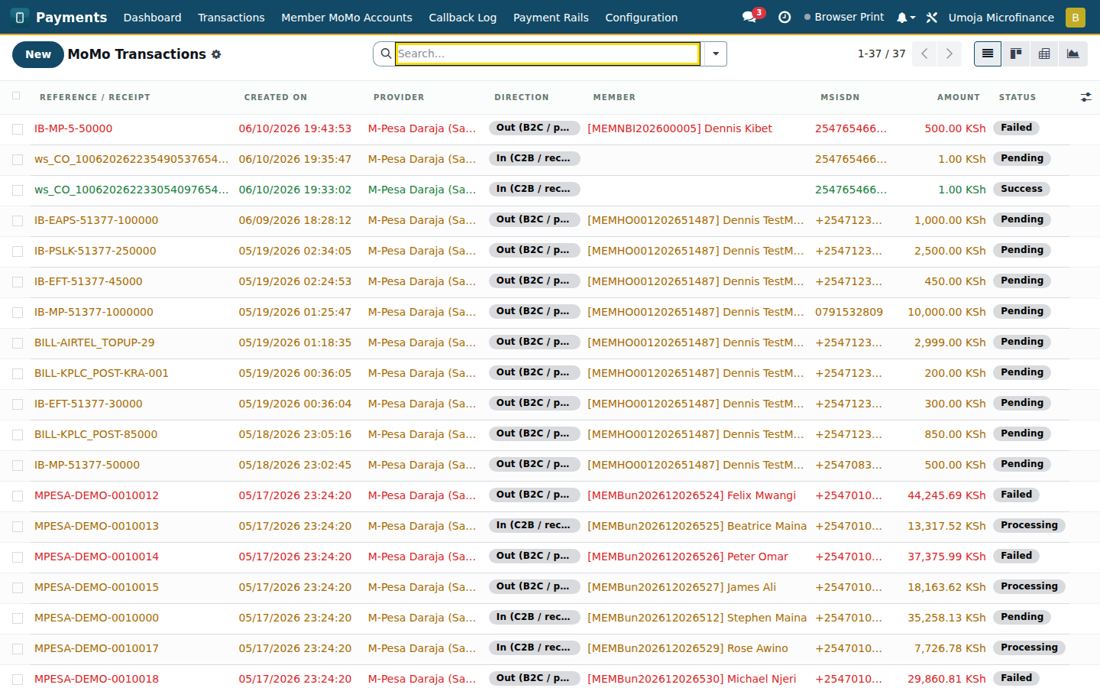
Mobile-money transactions moving between BridgeERP MFI and a payment provider.
IntegrationsConnecting BridgeERP to the things around it — payment rails, banks, tax authorities, the portal your customers already use.Payment rails · Bank and tax filing · Customer portals
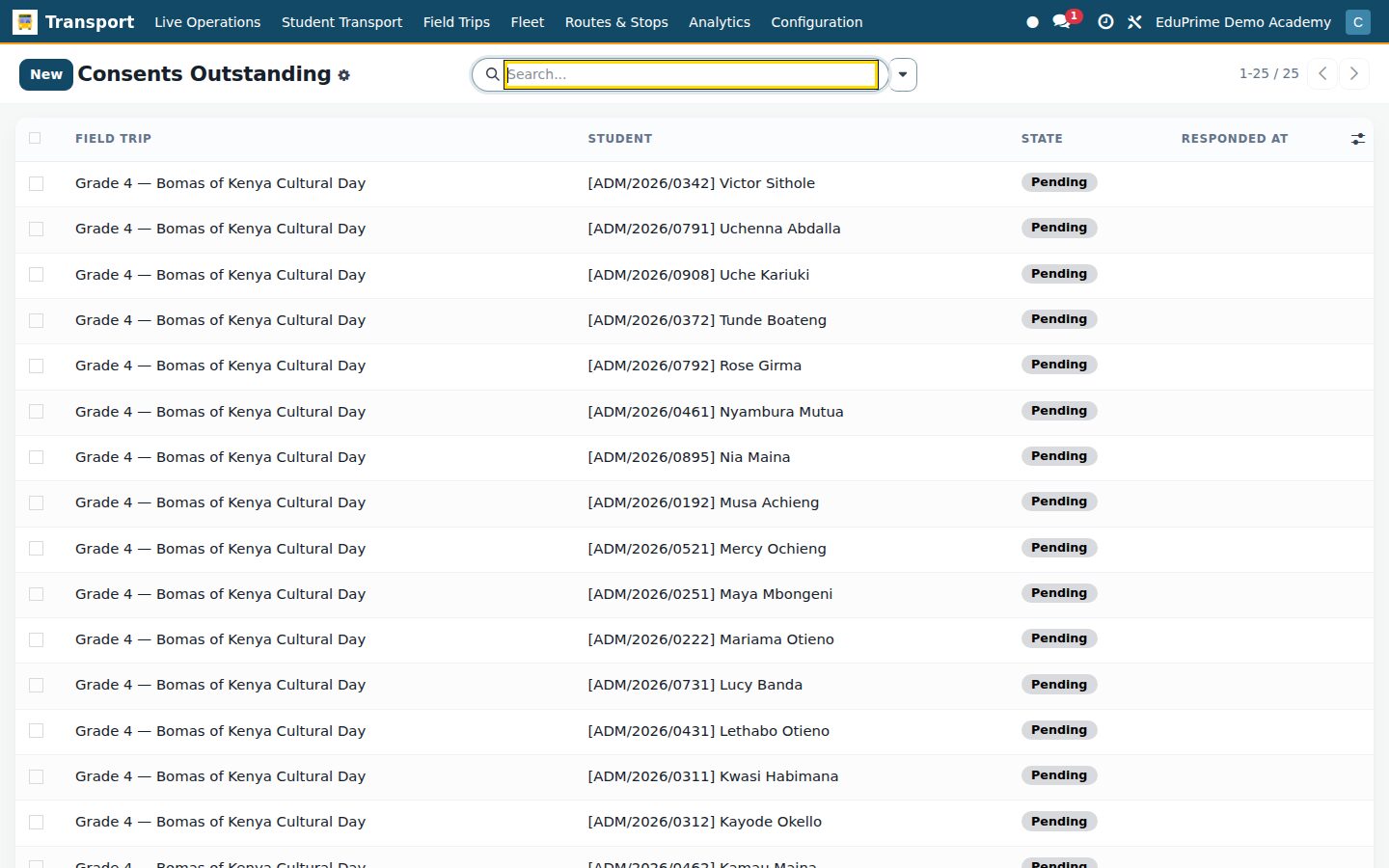
The transport and driver screens in EduPrime.
Mobile and field appsThe screen the person outside the office actually uses, on their own phone, working when the signal does not.Android and iOS · Offline capture · Sync on reconnect

Three things we were asked for

Each of these started as a sentence in an email. Every screen below is in a product you can open today.

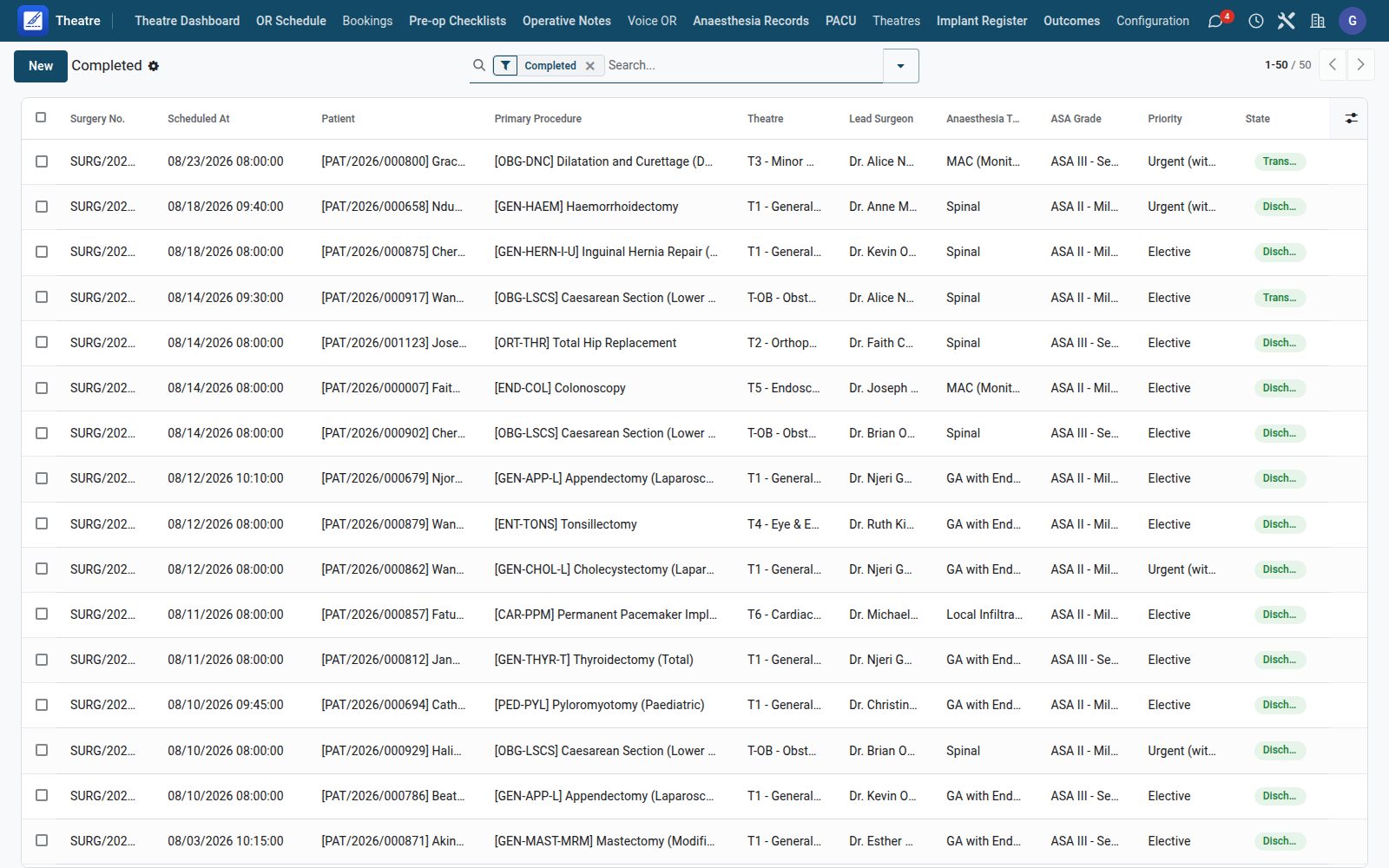
The treasury screen in BridgeERP MFI.

A module that did not exist

A treasury desk for a microfinance institution

Savings and loans were running, but nobody could see the cash position across branches without a spreadsheet. We built the treasury module — positions, transfers between branches, and the daily reconciliation — inside the same system, so the numbers come from the ledger rather than from a copy of it.

  • Branch cash positions
  • Inter-branch transfers
  • Daily reconciliation against the ledger
See BridgeERP MFI
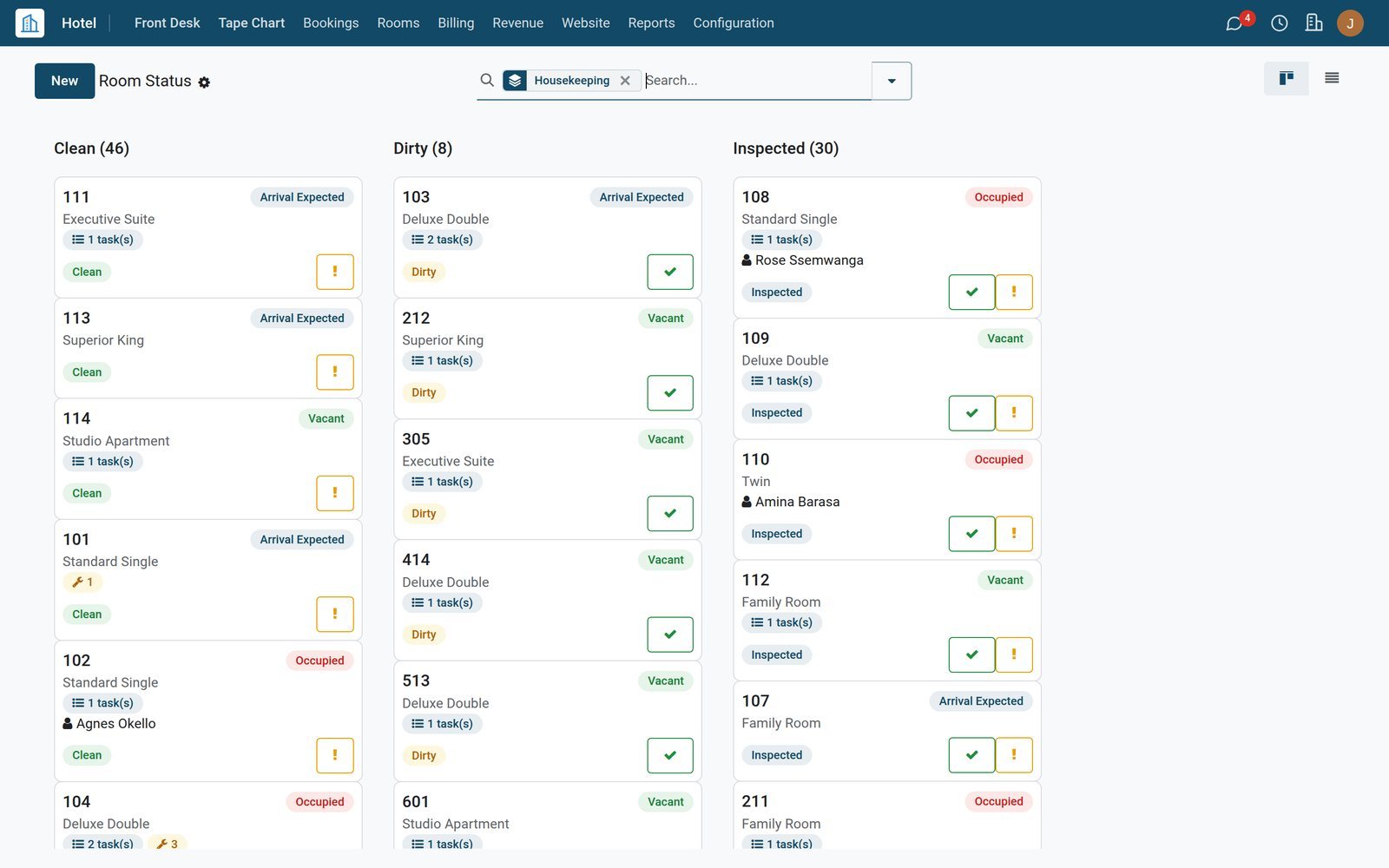
The theatre list in BridgeERP HMS.

A process that was ours alone

Theatre scheduling that a hospital would recognise

Standard scheduling software books a room for an hour. A theatre list books a surgeon, an anaesthetist, a table, a set of instruments that has to come back from sterile supply, and a patient who has to be starved from a particular time. We built the list the way the theatre runs it, and the rest of the hospital reads from the same record.

  • Surgeon, anaesthetist and table on one list
  • Instrument sets tracked through sterile supply
  • Ward and billing read the same record
See BridgeERP HMS
A fee statement in EduPrime.

A document somebody actually needed

Fee statements a parent can read

A school's fee ledger is correct and unreadable — that is why the bursar's office spends the first week of term explaining it. We rebuilt the statement so a parent sees what was charged, what was paid, what a bursary covered and what is left, on one page, in the school's own layout.

  • One page per pupil
  • Bursaries and scholarships shown, not netted off
  • Printed, emailed or opened in the parent portal
See EduPrime

From the team that builds the platform

BridgeERP is not software we resell. The apps in the products above — the ledger, the fee run, the theatre list, the treasury desk — were written by the same engineers you book here.

That is the whole difference. Someone who has to learn your system first will spend your first days reading it. We already know where the code is.

We know the platform

Your engineer has already worked inside the modules yours will sit next to, so the first day is spent building rather than reading.

Your code stays supportable

We write to the same standards as the product, so the next person who opens it — us or anyone else — can read it.

Upgrades stay possible

Custom work that ignores the platform breaks at the next release. Ours is built to survive one.

How an engagement runs

This is a ten-day block, which is the size most jobs land on. A five-day block runs the same way with weeks one and two folded together; longer blocks repeat weeks two and three until the work is done.

  1. Before you pay

    You send us the job

    Describe what you need in your own words and attach whatever you already have — a screenshot with arrows on it, a spreadsheet, an email thread. We read it, work out what it will take, and reply with a technical answer and a price.

    Free. No commitment. No account needed.

  2. Week one

    Scope, environment, first build

    We agree exactly what is in the block and what is not, and write it down. Your staging copy goes up the same week. By the end of it there is something on screen to react to.

    You confirm the scope note.

  3. Week two

    Build and review

    The work goes onto staging as it is written, not at the end. You open it, tell us what is wrong, and we change it while the engineer is still on the job.

    You look at staging and comment.

  4. End of week two

    Acceptance and release

    Tested against your own data, not sample data. When you accept it, it goes to your live system at a time you have agreed — outside working hours if that is what it takes.

    You sign it off before it goes live.

  5. After

    Handover

    You get the code, a written note of what was built and why, and a named person to come back to. If you book again, the same engineer picks it up.

    Yours to keep — see what you own, below.

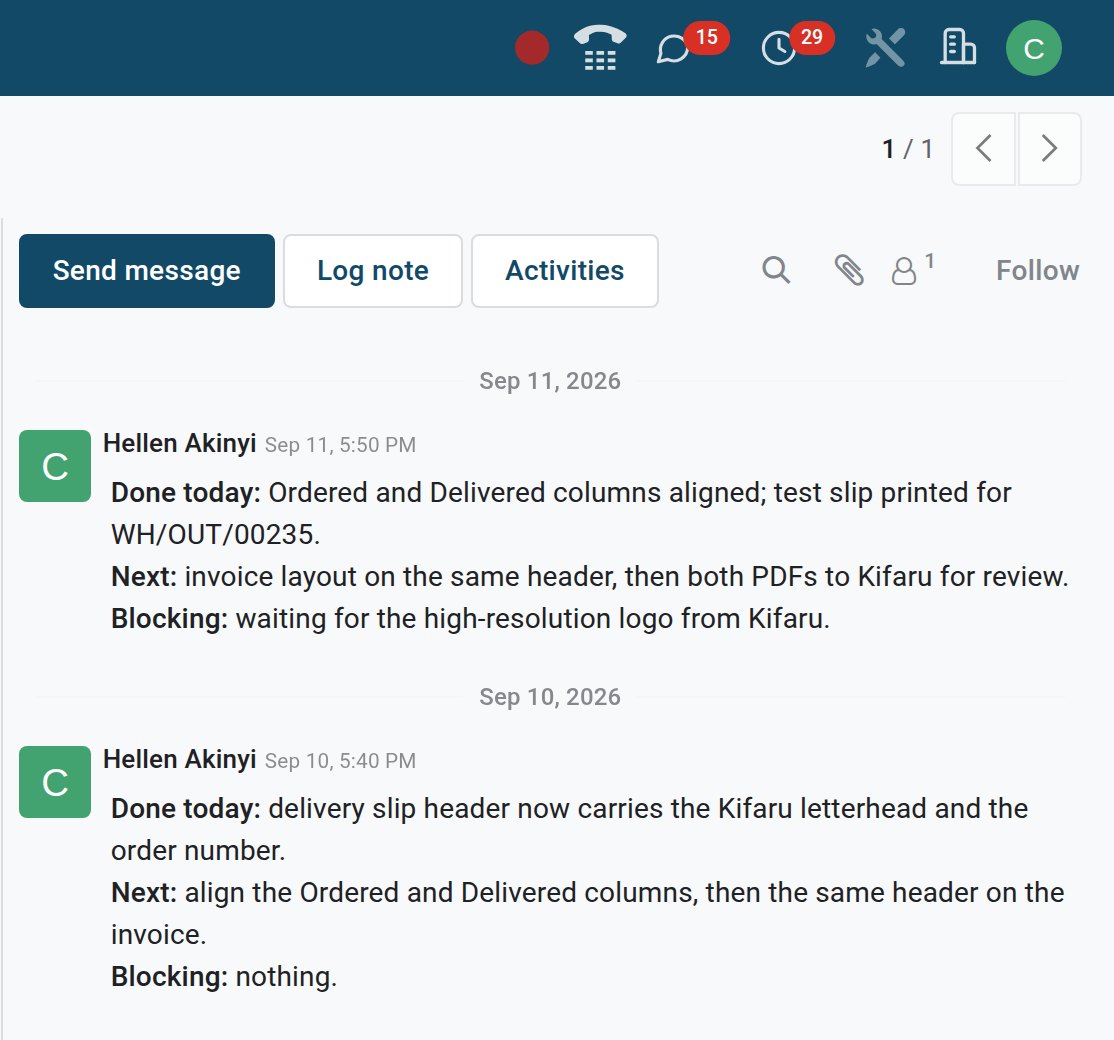
Every day in a block is a working day, and every day ends with a written progress note. Days you do not use roll over for 90 days.

Who you get

Two roles, booked by the day. Most jobs need only the first.

Engineer

A full-stack developer who writes, tests and ships the work.

USD85per day


  • Design and build
  • Code review by a second engineer
  • Automated tests written alongside the code
  • Written notes for whoever maintains it
  • A progress note at the end of every day

An engineer talks to whoever you nominate. If you would rather not run the job yourself, add a project manager.
Project manager

Runs the block so you do not have to — scope, sequencing, and the conversation with your team.

USD150per day


  • Everything an engineer does
  • Scoping the work and writing it down
  • Running the block and reporting on it
  • The conversation with your team and your other suppliers
  • Acceptance testing before you are asked to sign off

On a managed block, most of the booked time is still engineering. Your scope note states the split before you pay.

What a day includes

Working time

A full working day of hands-on build, not a fraction of one billed at a rate.

Review and testing

Code review and tests are inside the day, not an extra line.

A written note

Every day ends with what was done, what is next and anything blocking it.

Your environments

Staging is set up and maintained for the length of the block at no extra charge.

What it costs

Pick a role and a block size. The total below is the total — it is priced by the same system that issues your invoice, so the number here and the number at checkout are the same number.

How many days?

days

Booked in blocks from 5 days. Unused days roll over for 90 days.

  • Prices exclude any taxes that apply where you are.
  • Travel and accommodation are quoted separately, and only when you ask us to come to you.
  • Days are working days. Public holidays where your engineer is based are not billed.

What you get, and what we hold to

These are terms, not promises. They are the same ones on your order.

You own the code

Everything written for you is yours: the source, the documentation and the right to take it anywhere. We do not licence it back to you and we do not hold it.

Your days do not expire on you

Blocks start at five days. Anything you have not used rolls over for 90 days, so a block that finishes early is not a block you have wasted.

Your engineer starts within 48 hours

From payment, not from enquiry. If we cannot start in that window we will tell you before you pay, not after.

Nothing reaches your live system unreviewed

Work is built on a staging copy of your own system. You look at it and accept it before it is released, and the release happens at a time you have agreed.

One price, invoiced up front

You see the total before you pay, the invoice comes by email, and you settle it from your portal. There is no separate charge for review, testing or the staging environment.

No retainer, no notice period

A block is a block. When it ends it ends, and there is nothing to cancel.

Send us the job

We will tell you what it takes. That part is free.

You do not need a specification. Describe the problem in your own words and attach whatever you already have — a screenshot with arrows drawn on it, a spreadsheet, the email thread where somebody explained it better than you can.

  1. You send it. Two paragraphs is plenty.
  2. We work out what it takes. An engineer reads it, not a salesperson.
  3. You get an answer back. What we would build, how many days it needs, and the price — in writing.

We come back within two working days.

No brief and no time to write one? Book a call and we will write it with you.

Tell us what you need

Four things are required. Everything else helps us answer faster.

No account needed. We do not add you to a mailing list.

Questions

How do you charge, and when do I pay?

You pay for the block up front. The total you see when you pick the days is the total: review, testing and the staging environment are inside it. The invoice arrives by email and you settle it from your portal. If a job turns out to need fewer days than you booked, the unused days roll over for 90 days rather than being refunded.

What if the work needs more days than we estimated?

We tell you as soon as we know, not at the end. You decide whether to add days or to stop where you are and take what is built. We do not carry on and invoice you for the difference.

Who owns what you write?

You do — the source, the documentation and the right to take it to anyone else. There is no licence back to us.

Will this survive an upgrade?

Custom work that fights the platform breaks at the next release. We write to the same standards as the product itself, and anything we build for you is tested against the version you are on before it is released.

Can you work with our own developers?

Yes. Your team gets access to the same staging environment and the same code, and the daily note goes to whoever you nominate.

What if we are not on BridgeERP yet?

Then the job is usually an implementation rather than a development block. Start with a Success Pack — it covers configuration, migrating your data and training your people — and come back here when something needs building that does not exist yet.

See Success Packs
Do you do maintenance afterwards?

Yes. Tell us what you need looked after and we will quote it. It is not automatically included in a block, and we will not add it to your invoice without asking.

Send us the job

Put an engineer on it

Book the days if you know what you need. Send us the job if you do not — either way you will have a price before you commit to anything.